
SECURE YOUR NETWORK WITH SYNOLOGY ROUTER LOGIN
Take complete control of your internet connection, improve security, and manage settings
Detailed Synology Router Login Guide:Setup, Features, and Security Tips
Understanding how to access and adjust your Synology router is critical for optimizing network performance in home, hobbyist, and commercial settings. This instruction shows how to access the synology router login interface, use router.synology.com, determine the right login IP address, and operate the administrator portal. It also describes critical features that define Synology hardware, allowing users to fully utilize available tools. These routers are designed for dependability and ease of use, offering robust connection, straightforward controls, and excellent protection for both personal and business systems. Their adaptable design accommodates current gadgets and demanding work while maintaining speed and stability for users worldwide.
A Synology router: what is it?
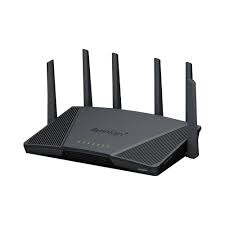
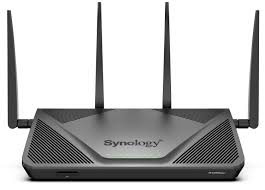
A Synology router is a network device that offers dependable, quick, and secure wireless communication between your devices and the internet. Leading NAS (Network Attached Storage) company Synology has expanded its knowledge to include routers, producing goods that blend in well with both residential and office settings.
Synology Router Manager (SRM), an easy-to-use and simple operating system, powers Synology routers and enables customers to easily build, monitor, and administer their networks. Synology routers provide sophisticated features that go beyond simple networking, with an emphasis on security, performance, and customization.
Why Pick a Router from Synology?
There are several reasons why Synology routers are unique:
a. An easy-to-use interface
Network management is made easier by the clear, user-friendly dashboard available on the Synology router login page. Navigating is simple even for novices.
b. Strong Protection Features
Synology routers safeguard your network from breaches with sophisticated encryption settings, automated firmware upgrades, and built-in firewall protection.
c. Support for VPNs
With VPN capability, which provides secured remote access to your network, you can stay connected safely.
d. The smooth integration
Synology routers operate nicely with other Synology products, including NAS equipment, offering unified control throughout your home or business setting.
e. Controls by Parents
By controlling access times, removing objectionable material, and keeping an eye on network activity, you can keep your family secure online.
f. Enhancement of Performance
With features like dual-band support, traffic monitoring, and QoS, you can enjoy the fastest speeds and most reliable connectivity.
How to Access the Synology Router Login Page
Gaining access to your router’s interface is the first step in enhancing your network. You may log in using either the Synology web URL or the device’s IP address.
Access via router.synology.com.
- Start any web browser.
- Enter router.synology.com into the address bar and hit Enter.
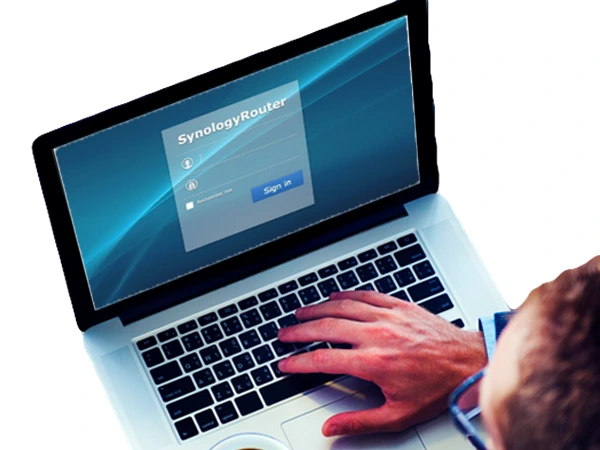
- When the login page displays, enter your administrative username and password.
- This strategy is chosen because it offers a simplified, branded experience without relying on IP addresses.
Access using the router’s IP address.
- If the web address does not work, use the default IP address—usually 192.168.1.1 or 192.168.0.1.
- Enter the IP address into your browser and hit enter.
- To open the dashboard, log in using your administrator credentials.
- To find your router’s IP address, use:
- On Windows, open Command Prompt, type ipconfig, and check Default Gateway.
- On macOS, open Terminal and enter netstat -nr | grep default.
Admin Login for Synology Router
You have complete control over all settings using the admin login.
Actions to take:
- Use an IP address or router.synology.com to gain access.
- Enter the admin username, which can be specified or the default, which is often admin.
- Put the password in.
- Now that you’re on the dashboard, you can set up your network.
Security Tip: To avoid unwanted access, change the admin password right away.
Configuring Your Synology Router and Logging in for the First Time
The setup wizard will walk you through the following basic configurations when you first log in:
- Choose the sort of internet connection you have.
- Choose on a name and keyword for your WiFi.
- Select encryption.
- Set the basic settings and the time zone.
Updates for Firmware
Check for firmware upgrades following the first setup:
- Navigate to Control Panel → System → Restore & Update.
- Look for any updates that are available.
- To guarantee optimum performance and security fixes, install them.
Wizard for Network Setup
The setup wizard provides instructions for:
- Set up the LAN and WAN configurations.
- Turn on parental controls.
- Create VPN connections.
- Set up QoS rules.
This guarantees that even inexperienced users can effectively configure their network.
Advanced Synology Router Features
VPN Support
Several VPN protocols are supported by Synology routers, including:
- OpenVPN
- PPTP
- IPSec/L2TP
Benefits
- Gain remote, secure access to your network.
- circumvent geo-restrictions.
- Safeguard private information when utilizing public Wi-Fi.
Configuring it:
- Connect to the Network Center → VPN.
- Select the protocol that you like most.
Control by Parents
You have the ability to protect your family’s internet experience by using parental controls.
Features consist of:
- Websites may be filtered by category.
- rules for time-based access.
- keeping an eye on screen time.
- blocking particular gadgets.
Configuration:
- Go to Parental Control → Profile Creation.
- Assign gadgets (computers, tablets, and phones).
- Establish timetables and permitted websites.
- Save and use the rules.
- This shields children from dangerous information while promoting a balanced internet experience.
Service Quality (QoS)
To guarantee that vital applications have enough bandwidth, QoS gives traffic priority.
You could:
- Increase the bandwidth available for video chats, gaming, and streaming.
- Limit background programs that cause connection issues.
- Track traffic in real time.
Steps for setup:
- Proceed to Traffic Control.
- Choose devices and apps.
- Set up tiers of priority.
Security and Firewall Configurations
Unauthorized access is prevented by a strong firewall.Important settings consist of:- Intrusion detection is enabled.
- setting up port forwarding safely.
- blocking particular IP addresses or geographical areas.
- establishing alerts for questionable activity.
- Go to Security → Firewall → Rules to access this.
Traffic Surveillance
- Track the use of bandwidth in real time.
- Check out the devices that use the most data.
- Determine when utilization is at its highest.
Configuring the Guest Network
Establish a distinct network for visitors without jeopardizing the security of your primary network.
- Devices on your private network should be isolated.
- Limit the bandwidth.
- Regulate the hours of access.
Configuration:
- Visit the Guest Network.
- Turn on SSID broadcasting.
- Configure a password and encryption.
- Specify the permissions for access.
Advantages of Secure Configuration for Synology
Router Login Access
Entering the admin panel allows you to:
- Firmware will be updated often.
- Control the permissions for access.
- Create firewall rules.
- Put VPNs into practice for distant security.
Simple Administration
The user interface is designed to be as simple as possible:
- Network optimization settings with a single click.
- Menus for navigating are clear.
- Each option is explained with helpful tooltips.
Remote Entry
Synology routers provide remote control through:
- SRM’s mobile application.
- safe VPN setups.
- Dynamic DNS configuration for convenient access.
Personalization
The settings of your router can be customized:
- distinct networks for enjoyment and work.
- Personalized bandwidth distribution.
- thorough reporting and recordkeeping.
Fixing Synology Login Issues
Even dependable devices might have occasional access issues. Follow the instructions below to overcome frequent login issues.
Cannot access router.synology.com.
- Confirm that your device is linked to the router’s network.
- Sign in using the router’s IP address instead.
- Switch to another browser or remove your cached data.
Forgot your administrator password
- To restore hardware settings, press the Reset button.
- Complete the setup procedure again to generate new credentials.
Router is not responding.
- Ensure that all wires are correctly connected.
- Restart your router.
- Make sure your firewall isn’t obstructing access.
A Synology router provides much more than just connectivity; it also provides excellent performance, robust security, and user-friendly control. Understanding how to access the login page, navigate router.synology.com, and control the admin panel enables you to fully utilize these features.
With features such as traffic management, VPN access, parental filters, and built-in security tools, this tutorial will assist you in configuring and fine-tuning your router to match your personal or business requirements.
FAQs
What are the default login credentials for the Synology wifi router login?
Typically, admin is the default username and blank (no keyword) is the default password. You need to generate a new keyword for the preliminary Synology Login in order to increase security.
What should I do If I’m unable to log into the Synology router via the web interface?
Try again after checking your connection, using the right IP address, clearing the cache on your browser, or resetting the router by holding down the reset switch for ten seconds.
Where can I find the IP address of my Synology wifi router?
You may locate it by looking at your device’s network settings, finding the default gateway using ipconfig (Windows) or netstat -nr (Mac).
How To Find Your Synology Default Username and Password
Consult the user manual or router label. Unless you set it up during setup, the password box is empty and the username is admin by default.